
There was no single way to celebrate Cooperation Day in 2026. One programme invited students to design future projects, another took participants on a journey across two countries. Elsewhere, cooperation became a three-country DJ session or a meeting place for businesses looking for new partners.
Interreg Hungary-Serbia and Croatia-Serbia: cross-border cooperation with a beat
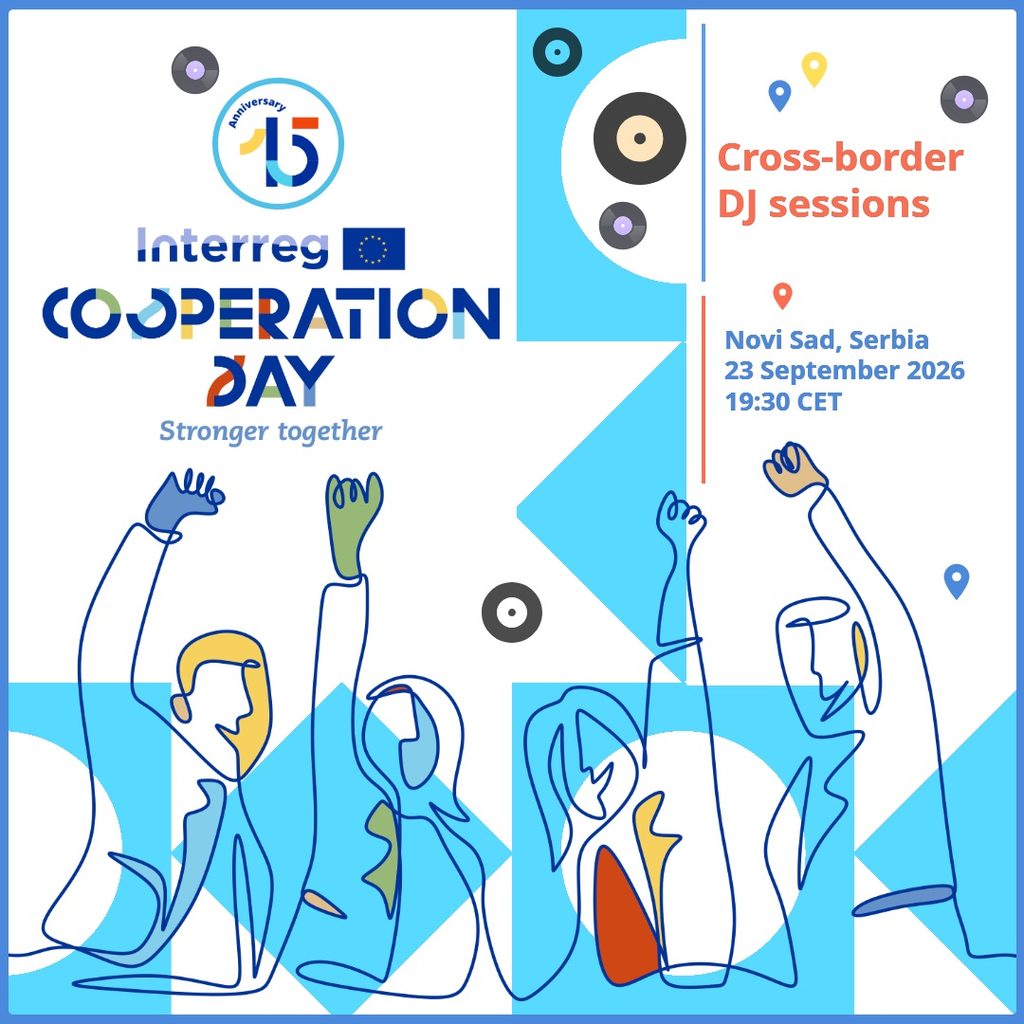
On 23 September, the Interreg Hungary-Serbia and Croatia-Serbia programmes brought Cooperation Day to Novi Sad through music.
The Cross Border DJ Sessions: SRB x HUN x CRO featured DJs representing Serbia, Hungary and Croatia in a joint three-hour performance. Rather than presenting cooperation in a traditional conference format, the free event created an accessible shared cultural experience, with a particular focus on reaching younger audiences.
By bringing three performers and their audiences together on one stage, the event demonstrated how music and creativity can build connections across borders.

Interreg Hungary-Croatia: connecting businesses across the border
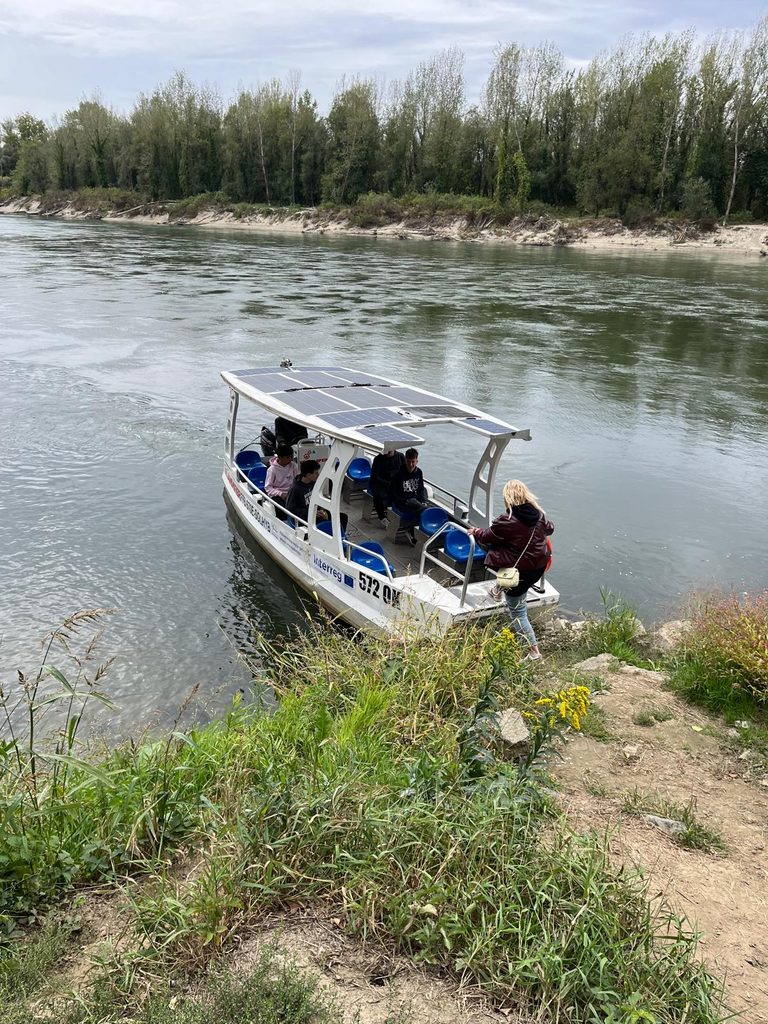
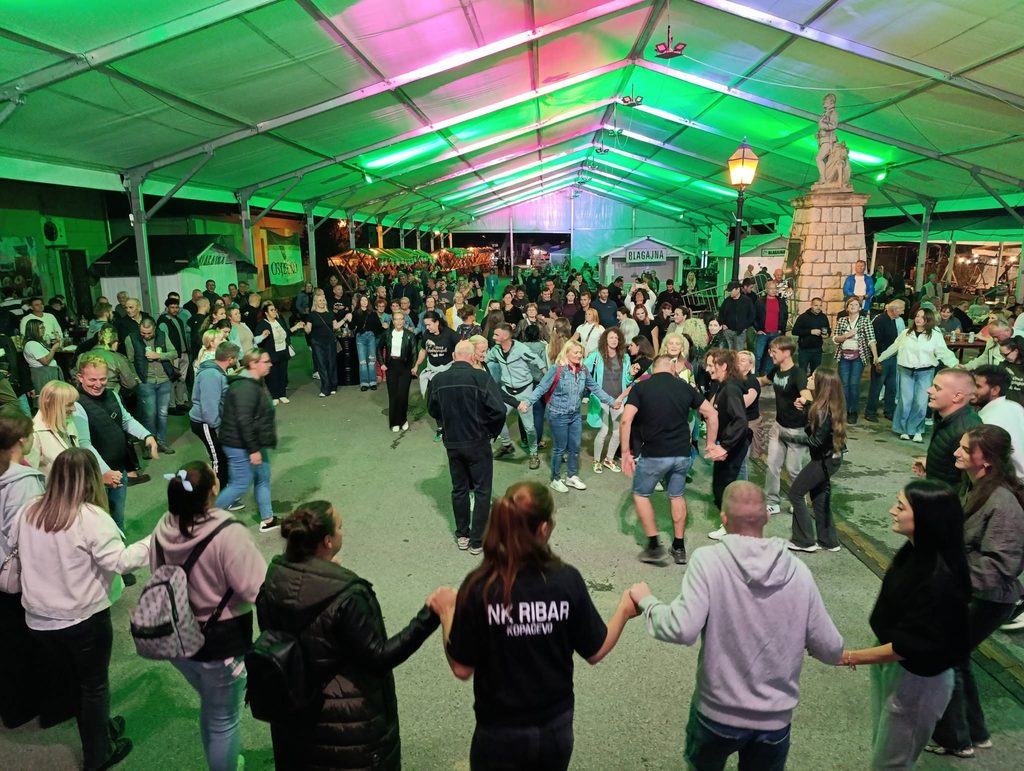
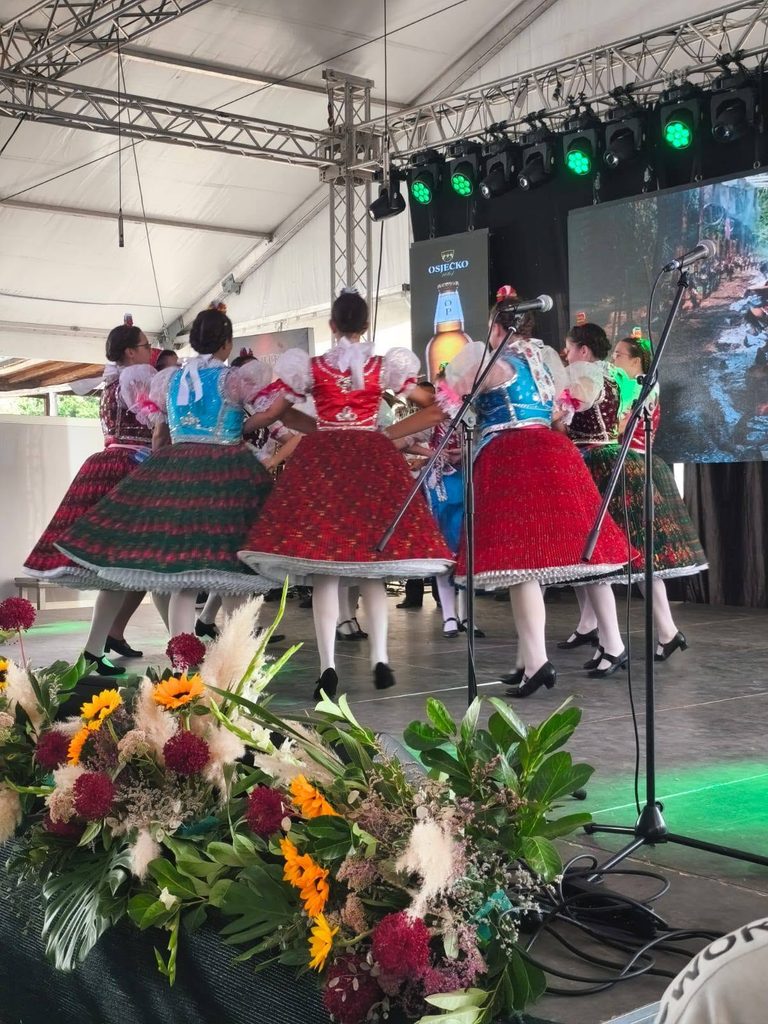
The Interreg Hungary–Croatia Programme marked Cooperation Day with a diverse series of events across the border region. Cultural heritage and local traditions took centre stage at the Fisherman’s Days in Kopačevo, while tourism professionals developed new cross-border visitor experiences during a creative camp in Osijek.
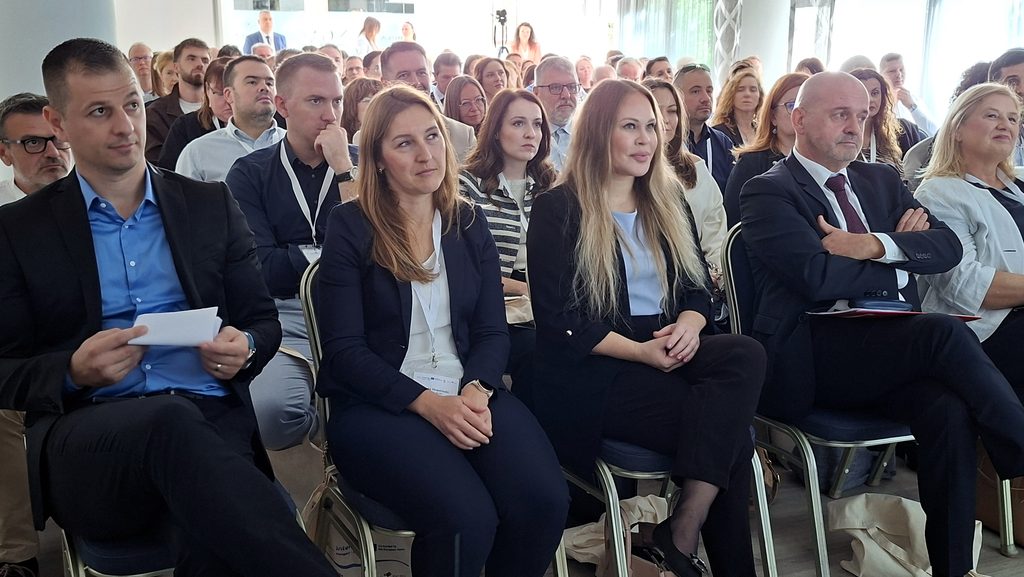
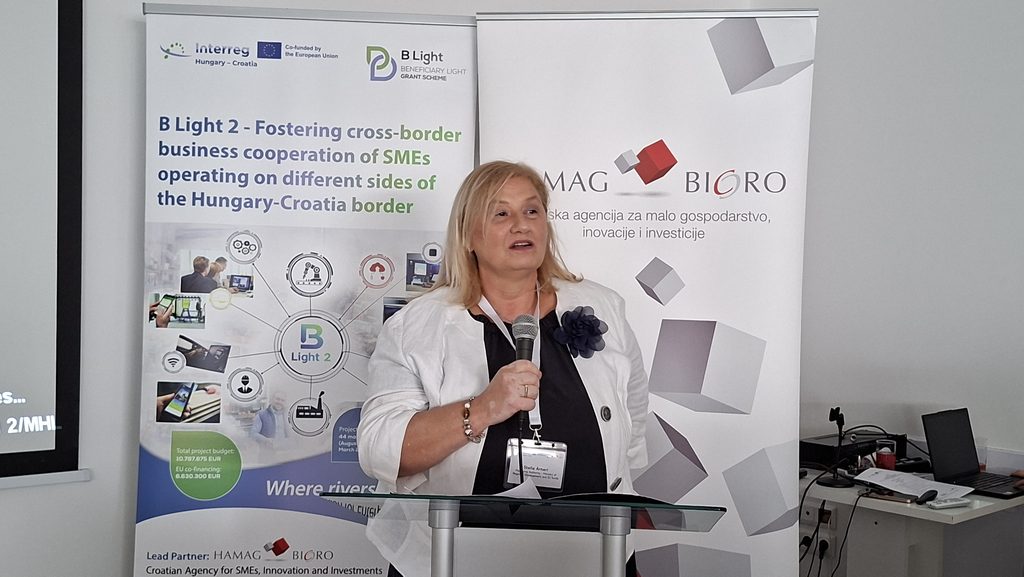
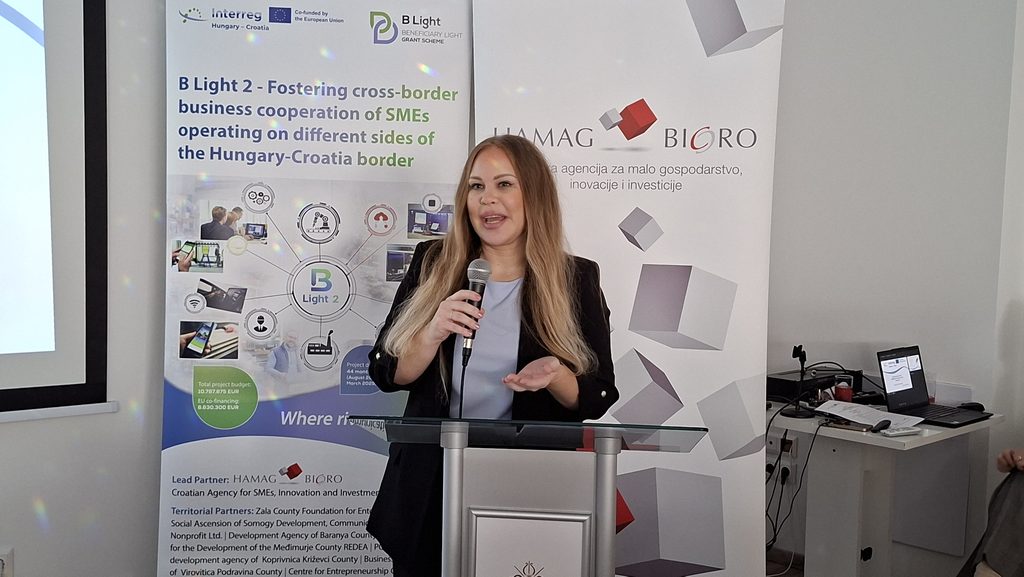
Outdoor events in Őrtilos and along the Drava invited participants to explore the region through cycling, canoeing, hiking and running. In Pécs, the B Light 2 conference presented funding opportunities for SMEs and concluded with B2B meetings and partner matchmaking.
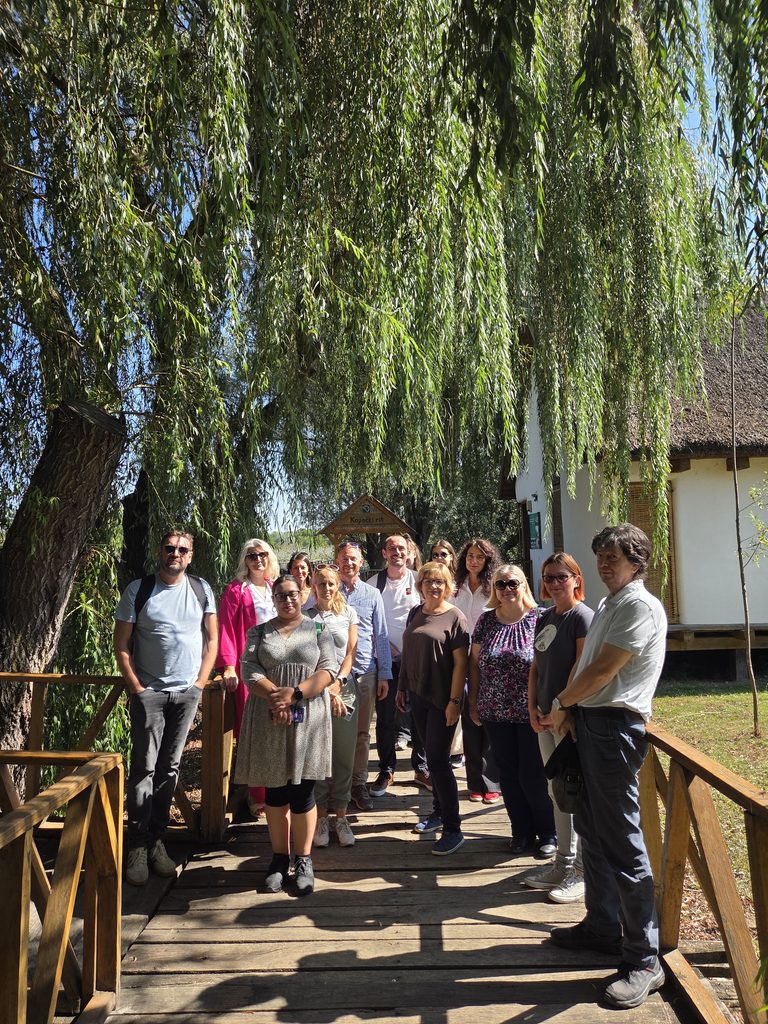
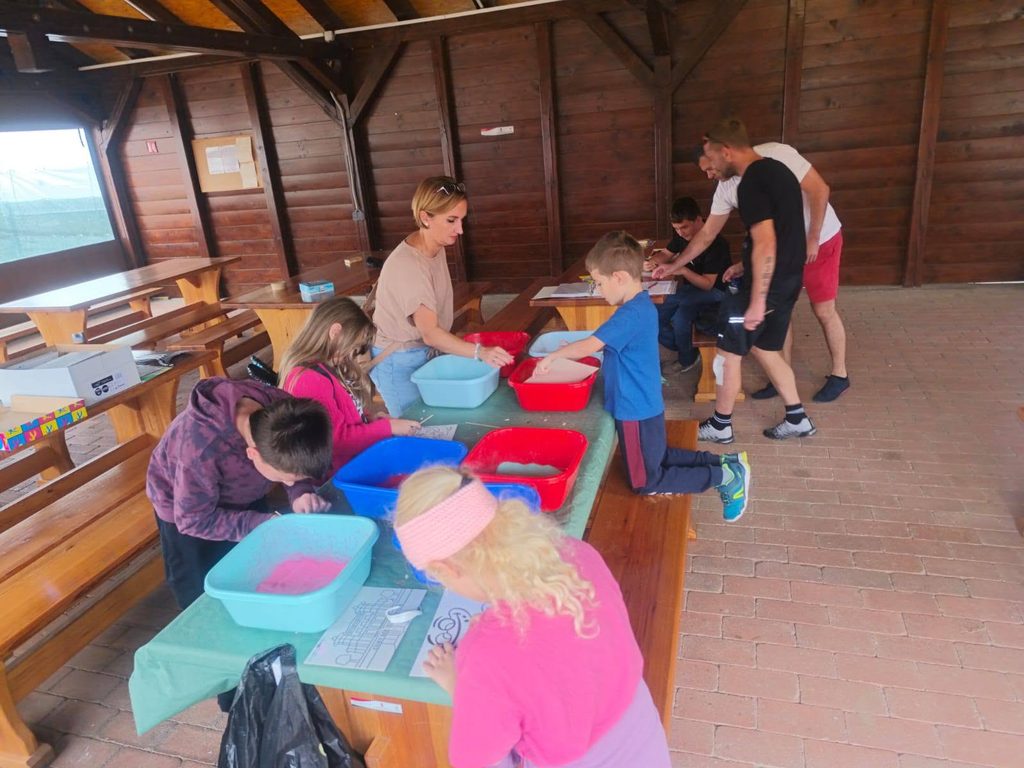
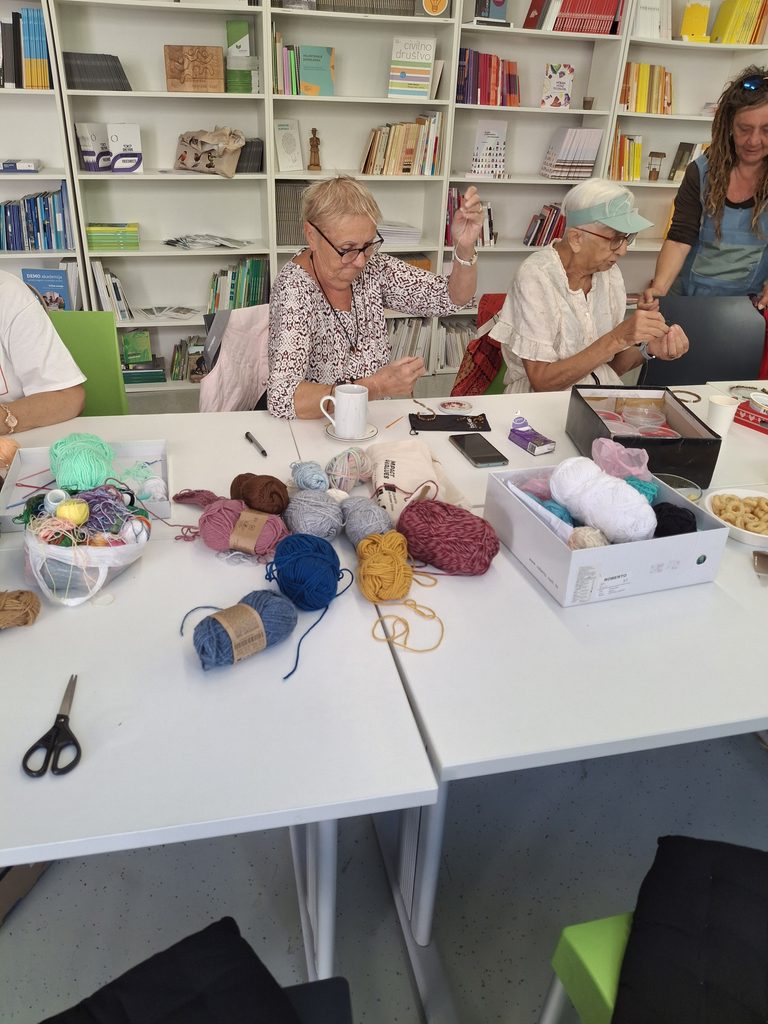
The celebrations continued with the Festival of Intergenerational Solidarity in Osijek, where Croatian and Hungarian participants joined workshops, volunteering activities and community visits. The Miraculous Forest Festival in Zlatna Greda rounded off the programme with nature-based activities, creative workshops, music, theatre and local gastronomy.
Interreg Slovenia-Hungary: one day, two countries and shared adventures
On 19 September, the Interreg Slovenia-Hungary Programme and the CROSSDEST project organised an active day connecting Hévíz in Hungary with Murska Sobota in Slovenia.
In the morning, participants could choose between a guided bicycle tour from Hévíz to Rezi, an eco-friendly family programme in Gyenesdiás and Hévíz, or a geobotanical walk around Lake Hévíz. The activities combined natural attractions with local gastronomy and examples of sustainable tourism.
The programme continued in Murska Sobota, where groups visited the Pomurje Museumy or took part in a guided walk in the city. These programmes introduced the CROSSDEST Experience Card and showed how a more connected cross-border destination can be created.
Interreg Romania-Hungary: young people designing tomorrow’s border region
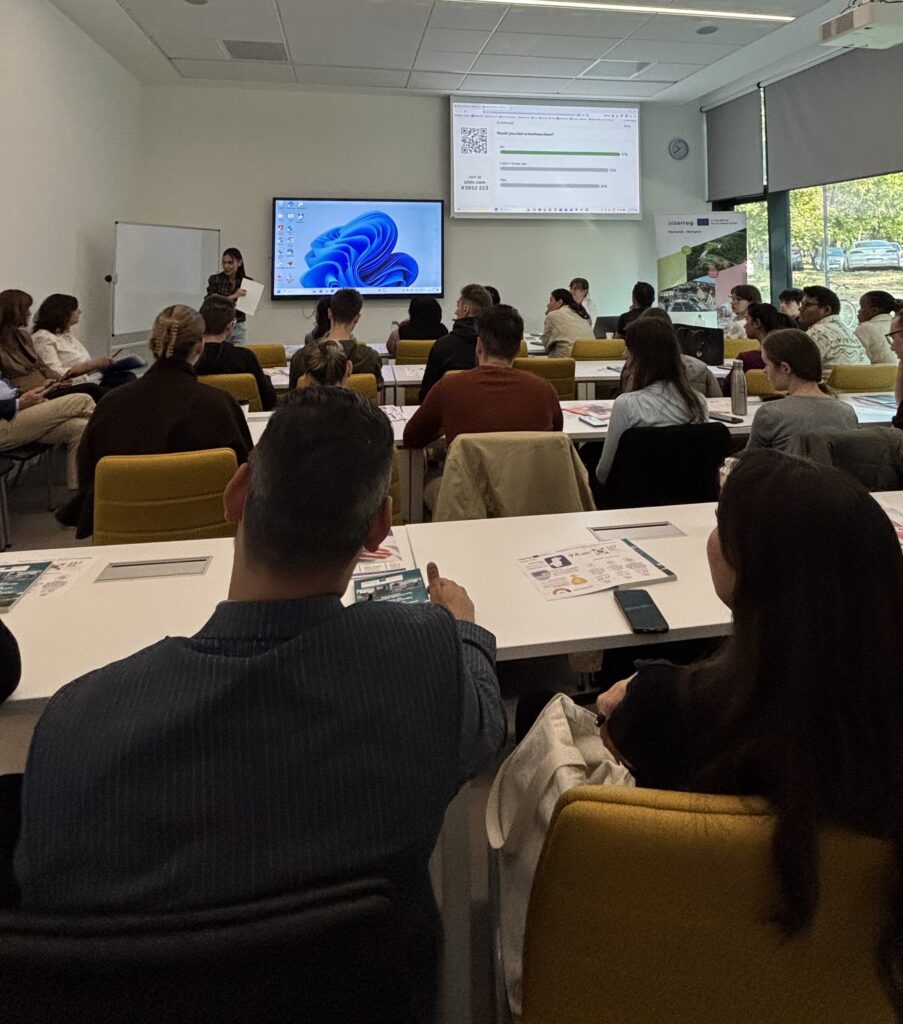
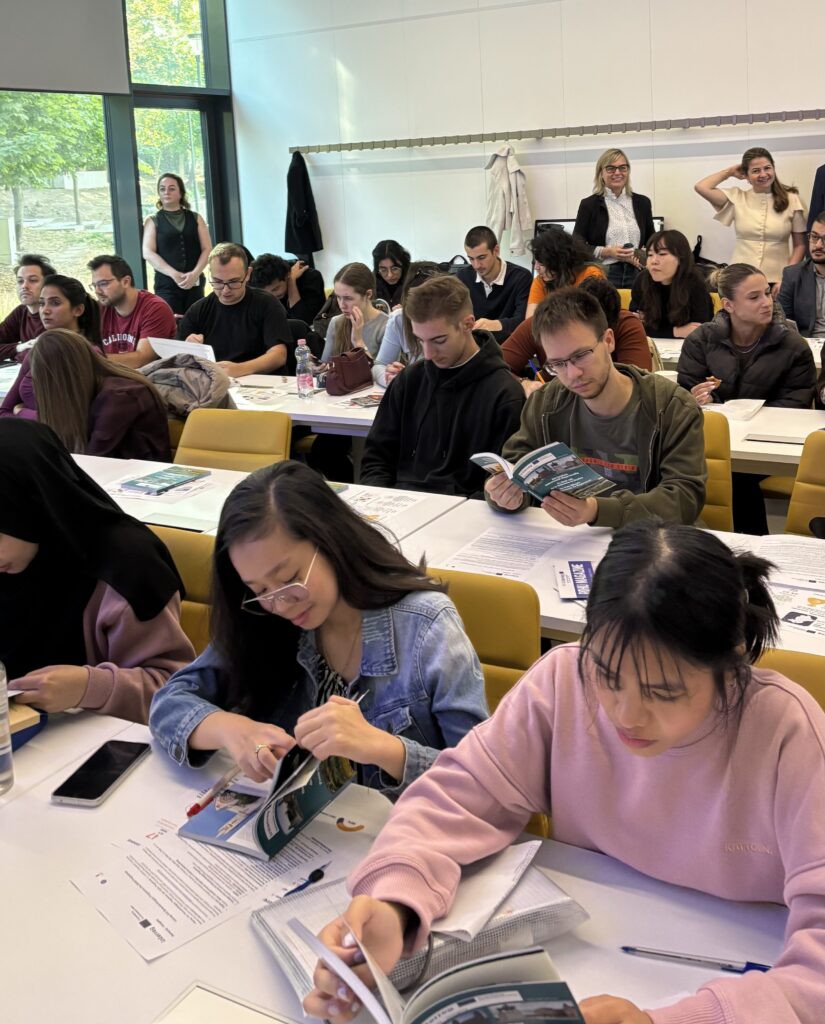
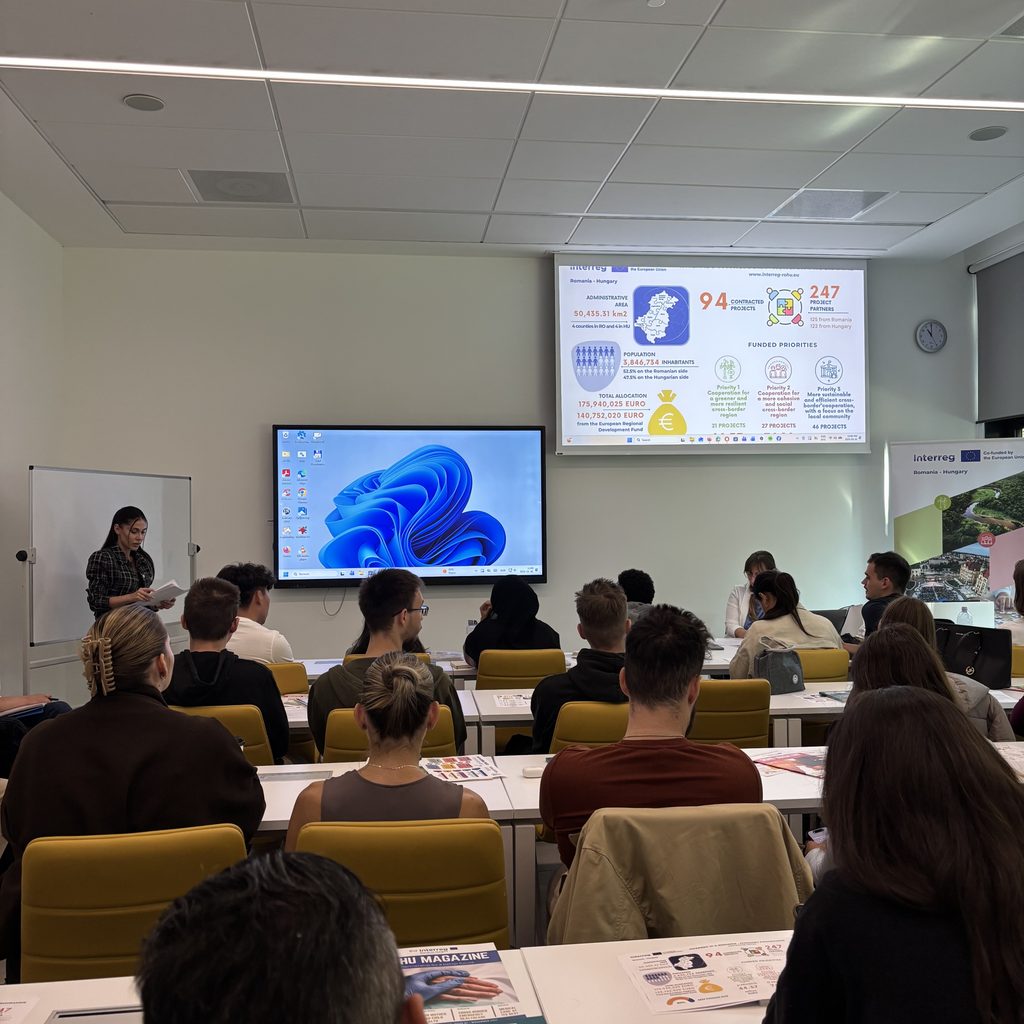
On 30 September. the Interreg Romania-Hungary Programme brought students together at the University of Debrecen for Beyond borders: youth ideas for tomorrow.
After learning about Interreg and existing cross-border projects, participants worked in groups to develop their own ideas for the Romanian-Hungarian border region. The workshop focused on four topics: education and employment, health and quality of life, innovation and digitalisation, and mobility and connectivity.
Each group pitched its proposal to a symbolic Monitoring Committee. The participants then voted on the ideas, and the winning proposal received a symbolic funding decision. Through this process, the students gained practical insight into how cross-border project ideas are developed, presented and selected.
Overall, these four events showed the variety behind Cooperation Day. Each programme chose a format suited to its own region and audience, creating opportunities for people to meet, exchange ideas and build connections across borders.