

Why this project matters
Children in the Romania–Ukraine border region do not always have timely access to specialised paediatric diagnosis, surgery and rehabilitation. Hospitals in Suceava and Kolomyia face different but complementary equipment and capacity gaps, while distance can make referrals and specialist consultations slower and more difficult. BLOOM combines investment in modern medical technology with professional cooperation and a planned telemedicine protocol between the two hospitals. This is expected to improve local treatment capacity, enable professional consultations across the border and provide children with better access to specialised care closer to home.
Capitalization
Innovation / Novelty
BLOOM introduces cross-border telemedicine cooperation between the hospitals in Suceava and Kolomyia, supported by modern paediatric diagnostic, surgical and rehabilitation equipment. This approach enables medical professionals to coordinate specialised care across the Romanian–Ukrainian border.
Scalable / Replicable
The telemedicine framework, equipment setup, and cooperation model can be adapted by other cross-border or remote regions to improve access to specialised care.
Influenced policy / system change
Alignment of telemedicine protocols and procedures between hospitals across two countries, with the potential to inspire similar changes in other healthcare institutions.
Project type
Pilot Approaches
The project introduces and tests telemedicine-based cooperation between healthcare institutions in Suceava and Kolomyia. The experience gained can inform similar cross-border healthcare services in other remote or underserved regions.
Achievements
As BLOOM is still ongoing, completed activities and expected achievements are distinguished.
Implemented or reported to date
- Cross-border medical cooperation launched: the opening conference took place in Suceava on 14 March 2025 and included a professional visit by representatives of the Kolomyia hospital to relevant medical departments at the Suceava hospital.
- Rehabilitation technology introduced in Suceava: project communications report the use of a robotic exoskeleton acquired through BLOOM to support modern rehabilitation therapies.
- Further equipment procurement in progress: procurement and installation processes continued in 2026 for rehabilitation equipment in Suceava and paediatric surgical and diagnostic equipment in Kolomyia.
Expected by project completion
- Advanced rehabilitation equipment in Suceava: planned investments include robotic gait and upper-limb rehabilitation systems, exoskeleton technology, high-intensity laser therapy and other equipment supporting patients with neurological and neuromotor conditions.
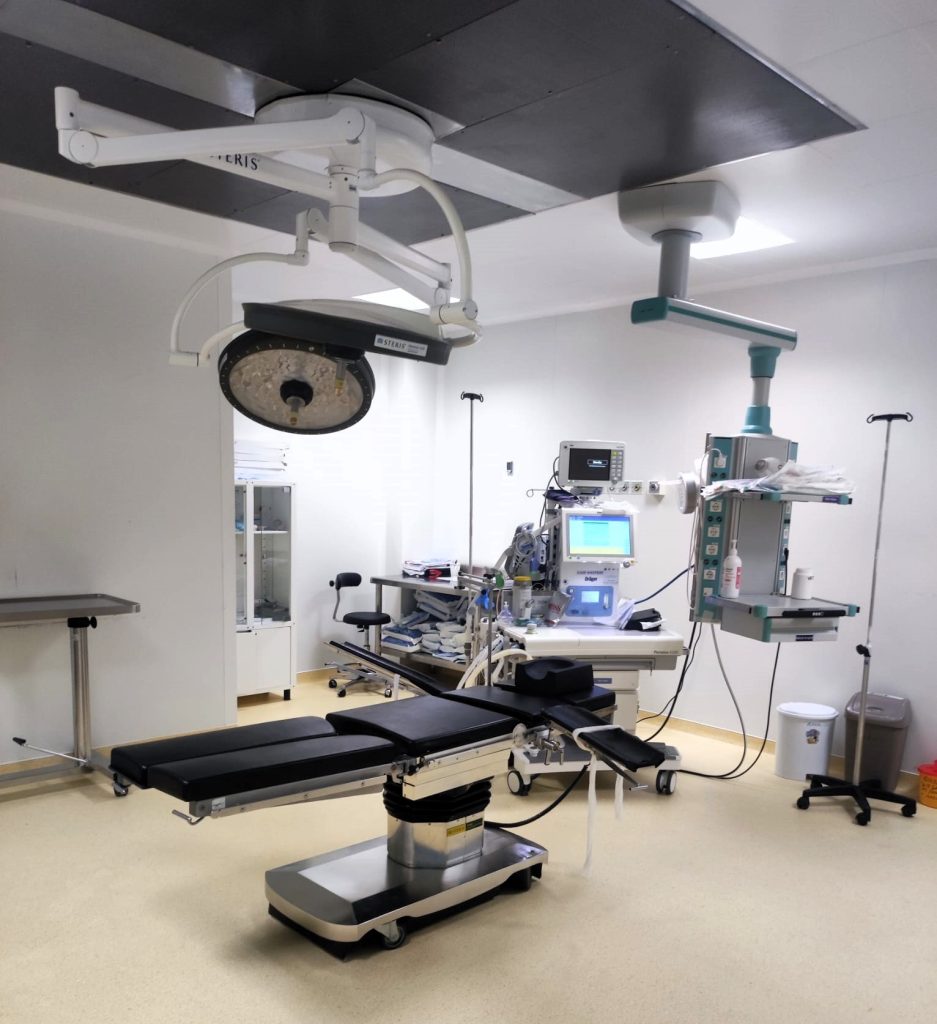
- Improved paediatric surgery and diagnostics in Kolomyia: planned equipment includes a mobile X-ray unit, ultrasound equipment, laparoscopic support and other equipment for paediatric surgery, anaesthesia, diagnostics and patient monitoring.
- Additional paediatric treatment equipment in Suceava: project communications also identify negative-pressure wound therapy and electrodermatome equipment among the planned investments.
- Telemedicine protocol: the participating hospitals plan to establish a protocol enabling remote professional cooperation and consultation between medical teams.
- Cross-border professional network: the project aims to establish lasting cooperation, knowledge exchange and coordinated working relationships between healthcare professionals in Suceava and Kolomyia.
- Greater local treatment capacity: the investments are expected to improve diagnostic and treatment efficiency and reduce referrals to more distant healthcare centres.
What can be reused
Reusable resources
Relevant project resources are currently under development and will be added as they become available.
Reusable concepts
- Connecting hospitals through telemedicine: The project is developing a practical way for medical teams in Suceava and Kolomyia to consult one another and share professional expertise across the border.
- Combining equipment with professional cooperation: BLOOM does not treat medical equipment as a standalone investment. New technology is linked to knowledge exchange and cooperation between healthcare professionals.
- Matching complementary hospital needs: The participating hospitals receive different types of equipment based on their local gaps, while working together towards improved paediatric care across the wider border region.
- Providing specialist care closer to home: Strengthening local diagnosis, surgery and rehabilitation can reduce unnecessary referrals and long journeys for children and accompanying family members.
- Extending cooperation to other specialities: Once the telemedicine connection and working procedures have been tested, the approach could support cooperation in medical fields beyond paediatric care.