

Why this project matters
The border regions of Satu Mare, Szabolcs-Szatmár-Bereg and Ivano-Frankivsk have numerous castles and manor houses, but many sites have limited visibility, low visitor numbers or require physical improvement. A joint route allows the participating regions to promote these sites as a connected heritage destination rather than as isolated attractions. By extending an existing Interreg result to two additional regions, CULT.ROUTE also demonstrates how previous cross-border tourism investments can be expanded and reused.
Capitalisation
Scalable / Replicable
The project plans to develop the existing thematic route of castles through the use of new technologies in order to make castles more attractive to visitors – intelligent benches and infokiosks. The application running on the infokiosks already existing can be extended to include further castles and mansions in the border regions.
Project type
Last Mile projects
CULT.ROUTE puts an existing cross-border tourism concept into wider practical use by extending the route, improving heritage sites, installing visitor-oriented equipment and organising public cultural activities.
Achievements
Completed or implemented to date
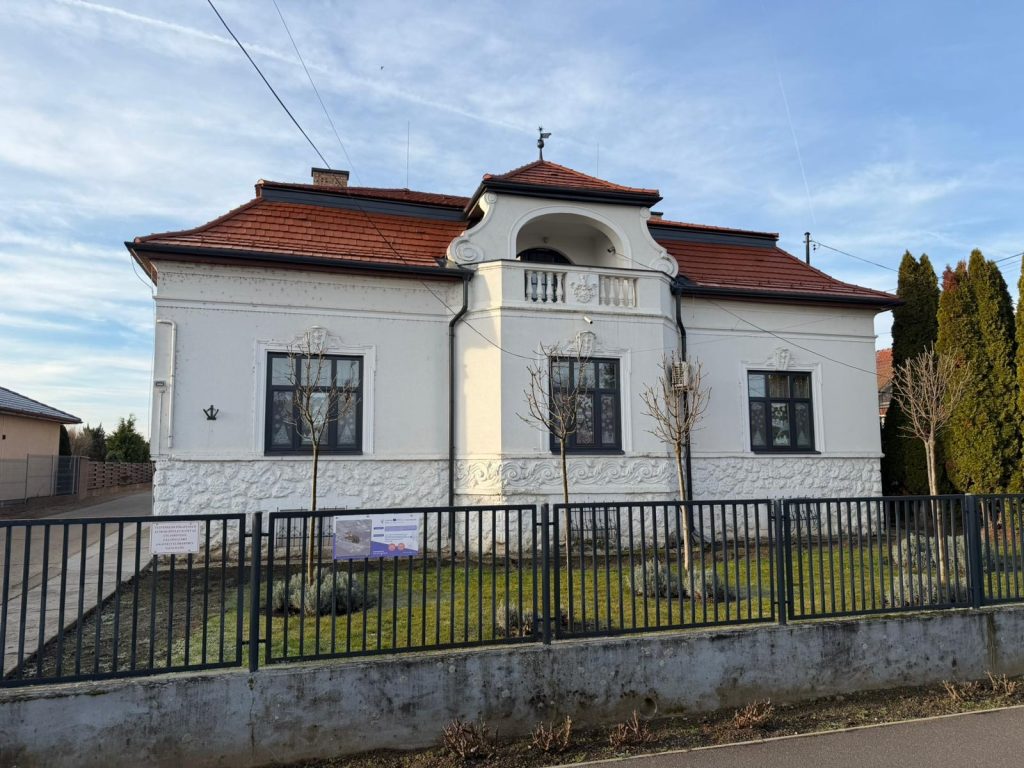
- Tapay Mansion roof rehabilitation: the rehabilitation of the roof of the 18th-century Baroque mansion in Fehérgyarmat was completed in August 2025, helping preserve the building and prepare it for inclusion in the expanded castle route.
- Cross-border professional exchange: cultural specialists from Ivano-Frankivsk, Fehérgyarmat and Satu Mare County participated in a three-day experience exchange in March 2026, including presentations and visits to Lónyai Castle and Károlyi Castle.
- Heritage promotion activities: the Ivano-Frankivsk partner has published English-language materials presenting castles and heritage sites intended to form part of the wider thematic route, including Chernelytsia, Halych and Pniv castles.
In development or expected
- Vécsey Castle park rehabilitation: the 56,000-square-metre park in Livada is planned to receive new paths, public lighting, benches, trees and shrubs.
- IT-based visitor infrastructure: participating castles and manor houses are expected to receive info kiosks, smart benches, and sound and lighting equipment.
- Integrated promotional website: a shared website is planned to increase the visibility of castles and manor houses across the three participating regions.
- Thematic-route guide and photo album: these materials are planned to present the participating heritage sites and support wider promotion of the route.
- Public cultural activities: planned activities include guided tours, a cross-border castle festival in Livada and European Heritage Days activities in Ivano-Frankivsk.
- Visitor increase: the project documentation sets a target of 3,000 additional visitors. This should remain an expected result until final monitoring data are available.
What can be reused
The project’s principal transferable value lies in showing how an existing cross-border cultural route can be extended through a combination of targeted heritage investment, digital promotion and cooperation between cultural institutions.
Reusable resources
Relevant project resources are currently under development and will be added as they become available.
Reusable concept
- Extending an existing castle route: The project shows how an established cultural route can grow by including new regions, castles and manor houses.
- Building on previous project results: CULT.ROUTE further develops the route and digital solutions created through the earlier SMAR.T.OURISM project instead of starting from scratch.
- Combining heritage preservation with visitor services: The project links targeted restoration work with visitor facilities, digital promotion and public cultural activities.
- Promoting several regions as one destination: Castles and manor houses from Romania, Hungary and Ukraine are presented together as part of a shared cross-border visitor experience.
- Sharing knowledge between cultural professionals: Experience exchanges, presentations and site visits allow specialists from the participating regions to learn from one another and jointly explore better ways of promoting cultural heritage.
- Bringing historic sites closer to local communities: The project connects heritage preservation with public spaces, tourism, festivals and other activities that encourage people to discover and use historic locations.