
Why this project matters
Cross-border mobility between Hungary and Slovakia has increased significantly, but national legal and administrative systems can still prevent residents from accessing services, working, studying or cooperating efficiently across the border. Examples identified by the project include restrictions on cross-border ambulance services, difficulties in recognising qualifications, employment and social-security administration, access to social services and the sale of local products. Because these barriers often involve legislation and authorities in both countries, coordinated legal analysis, institutional dialogue and bilateral solutions are required. Rather than handling obstacles as isolated complaints, #ACCESS creates a structured process for identifying, analysing, documenting and managing them. This can help convert local experiences into practical projects, legal recommendations and longer-term improvements in cross-border governance
Capitalisation
Influenced policy / System change – By addressing legal and administrative barriers affecting everyday cross-border life, the project supports more effective institutional responses. Its obstacle mapping and practical recommendations help turn local challenges into long-term system-level improvements.
Beyond-project cooperation / Institutionalised cooperation – The project aims to strengthen cooperation between organisations, authorities, experts, and citizens on both sides of the Hungary-Slovakia border. Its reporting tools and stakeholder dialogue strive to create a basis for continued collaboration beyond the project lifetime.
Project type
Operational Policy Development
#ACCESS converts identified legal and administrative barriers into practical obstacle projects, legal recommendations and proposals for bilateral or institutional action. Its central role is therefore to move from research and problem identification towards implementable solutions and improved administrative cooperation.
Achievements
As the project continues until April 2029, the outputs already available should be distinguished from ongoing and expected results.
Available or implemented to date
- Online obstacle-reporting platform: citizens and organisations can report barriers affecting cross-border work, study, travel, services or cooperation. Submitted cases are reviewed by legal experts, with preliminary feedback expected within four weeks.
- Interactive obstacle inventory and solution gateway: the project website provides structured descriptions of identified barriers and information related to their analysis or resolution. By the second half of 2025, 21 comprehensive case descriptions had been updated and expanded.
- Questionnaire survey and survey report: the project collected experiences from border residents and published a summarising report on the findings.
- Institutional interviews and summary report: interviews examined barriers in sectors including healthcare, territorial development, employment and the economy.
- Territorial reference groups: workshops were organised in cross-border urban areas to identify local barriers, discuss cooperation opportunities and develop potential projects.
- Reference-group workshop report: a summary report is available in English, Hungarian and Slovak.
- Territorial background materials: public background studies were prepared for areas including Bratislava, Košice, Salgótarján–Fiľakovo, Komárno, Sátoraljaújhely, Šahy–Balassagyarmat, Ózd–Putnok–Tornaľa, Esztergom and Győr.
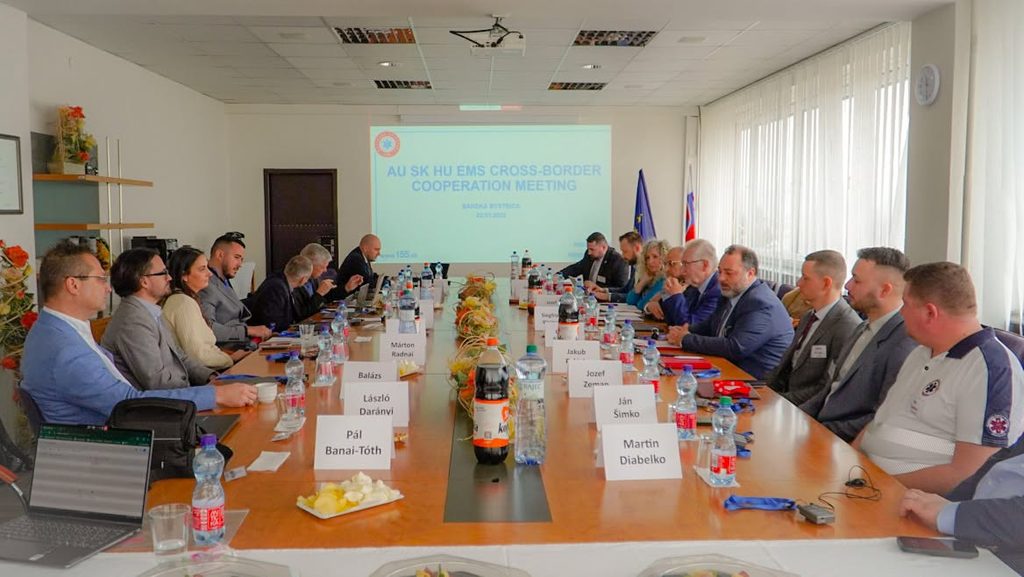
- Sector-specific solution development: by late 2025, work had progressed on cross-border emergency services, hospital cooperation and the establishment of the Novohrad–Nógrád Geopark EGTC.
Expected by the end of the project
- elimination of four legal obstacles;
- development of ten solutions in total;
- five obstacle-specific projects;
- legal recommendations for authorities and decision-makers;
- brochures compiling reported obstacles and follow-up information;
- a sensitisation campaign targeting relevant authorities;
- continued development of the legal-obstacle database and online help desk.
Reusable resources
1. #ACCESS online obstacle reporting platform – link here
2. Interactive obstacle inventory – link here
3. Reports and background materials – link here
- Summary report of the reference group workshops
- Summarising report of the expert interviews
- The #ACCESS survey report
- Background material for the Bratislava reference group
- Background material for the Košice reference group
- Background material for the Salgótarján–Fiľakovo reference group
- Background material for the Komárno reference group
- Background material for the Sátoraljaújhely reference group
- Background material for the Šahy–Balassagyarmat reference group
- Background material for the Ózd–Putnok–Tornaľa urban area
- Background material for the Esztergom reference group
- Background material for the Győr reference group
Reusable concepts
- Identifying and addressing cross-border obstacles: The project provides a structured way to collect, analyse and follow up on legal and administrative barriers affecting everyday cross-border life.
- Involving citizens in finding solutions: Residents can report the obstacles they experience, giving experts and authorities concrete cases to investigate.
- Regional reference groups: Municipalities, institutions and other local actors work together to identify barriers and discuss possible solutions in different parts of the border region.
- Sharing obstacle cases and possible solutions: The online obstacle inventory brings together case descriptions, expert information, relevant good practices and updates on progress.
- Developing solutions with the responsible organisations: Authorities, service providers and experts are involved in finding practical responses to obstacles in areas such as healthcare, employment and local products.
- Connecting local experience with decision-making: The project creates dialogue between residents, local organisations, experts and national authorities, helping turn everyday problems into practical recommendations and institutional action.